
Search California Background Check Records
California background check records are held by the state Department of Justice and county courts across the state. The DOJ keeps the main database of criminal history in California. You can search these records through Live Scan fingerprinting or by going to court offices in person. County sheriff offices and local police also help with background check requests. This guide shows you how to find and access criminal records in California through official state and local sources.
California Background Check Quick Facts
California DOJ Background Check System
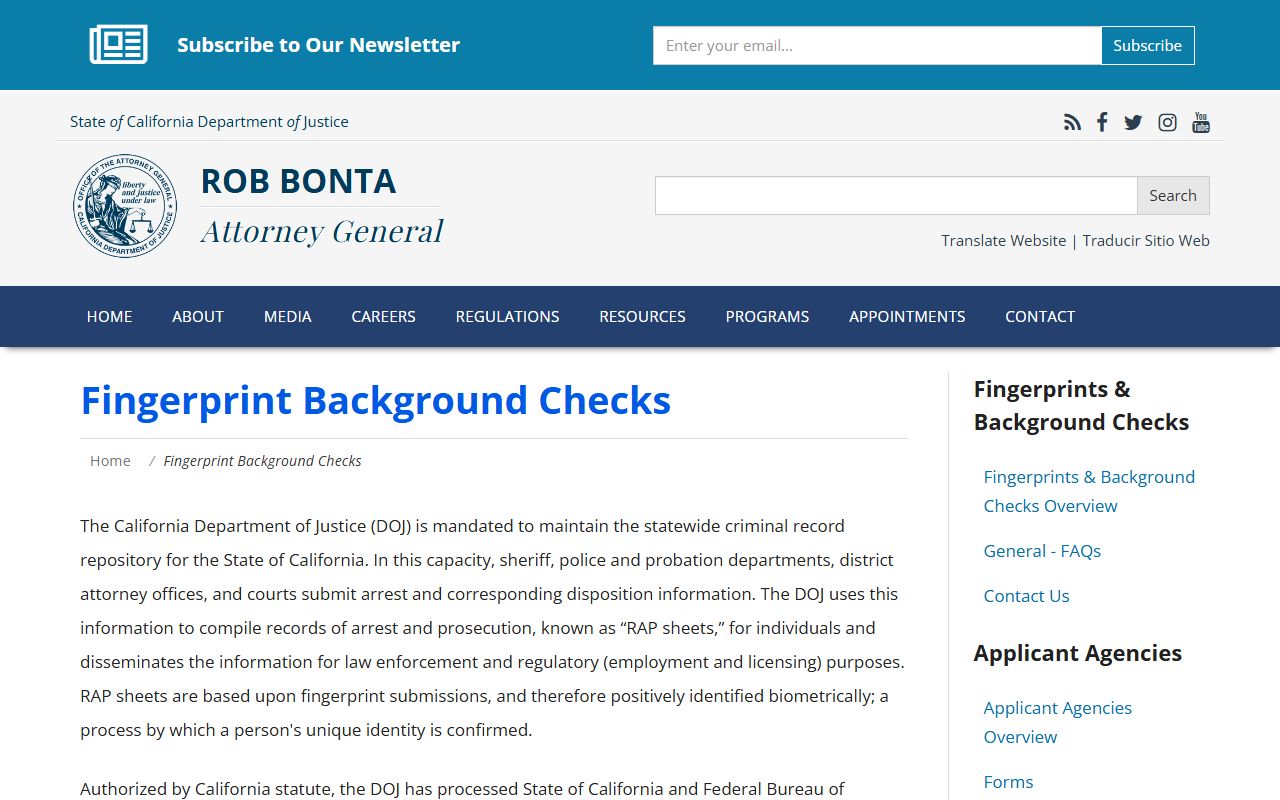
The California Department of Justice runs the state criminal record system. This agency keeps all arrest and court records for the state. When someone gets arrested in California, that record goes to the DOJ. Court outcomes also get sent to the DOJ after cases end. The DOJ uses this data to build what they call RAP sheets. A RAP sheet is a record of arrests and prosecution for one person.
The DOJ processes about 2 million state background checks each year. They also handle 1.2 million federal checks through the FBI. Most checks go through in 48 to 72 hours if there is no match in the system. When fingerprints match someone in the database, a staff member must review the file by hand. This can take more time. About 80 percent of all checks finish within three business days. The California DOJ fingerprints page has full details on how their system works.
The DOJ only releases criminal history to certain people and agencies. You can always get your own record. Law enforcement can access records for their work. Some state agencies can run checks for licensing purposes. The rules about who can see records come from state law.
Live Scan Fingerprinting in California
Live Scan is how most background checks start in California. This is an electronic fingerprint system. Your prints get scanned and sent right to the DOJ. The process is fast and more accurate than old ink methods. You must go to a certified Live Scan site to get printed. These sites are all over California in police stations, sheriff offices, and private businesses.
To find a Live Scan location near you, use the DOJ Live Scan site locator. Type in your city or zip code. The tool shows all certified operators in your area. Each listing shows the address, phone number, and hours. Some sites need an appointment. Others take walk-ins. Call ahead to check.
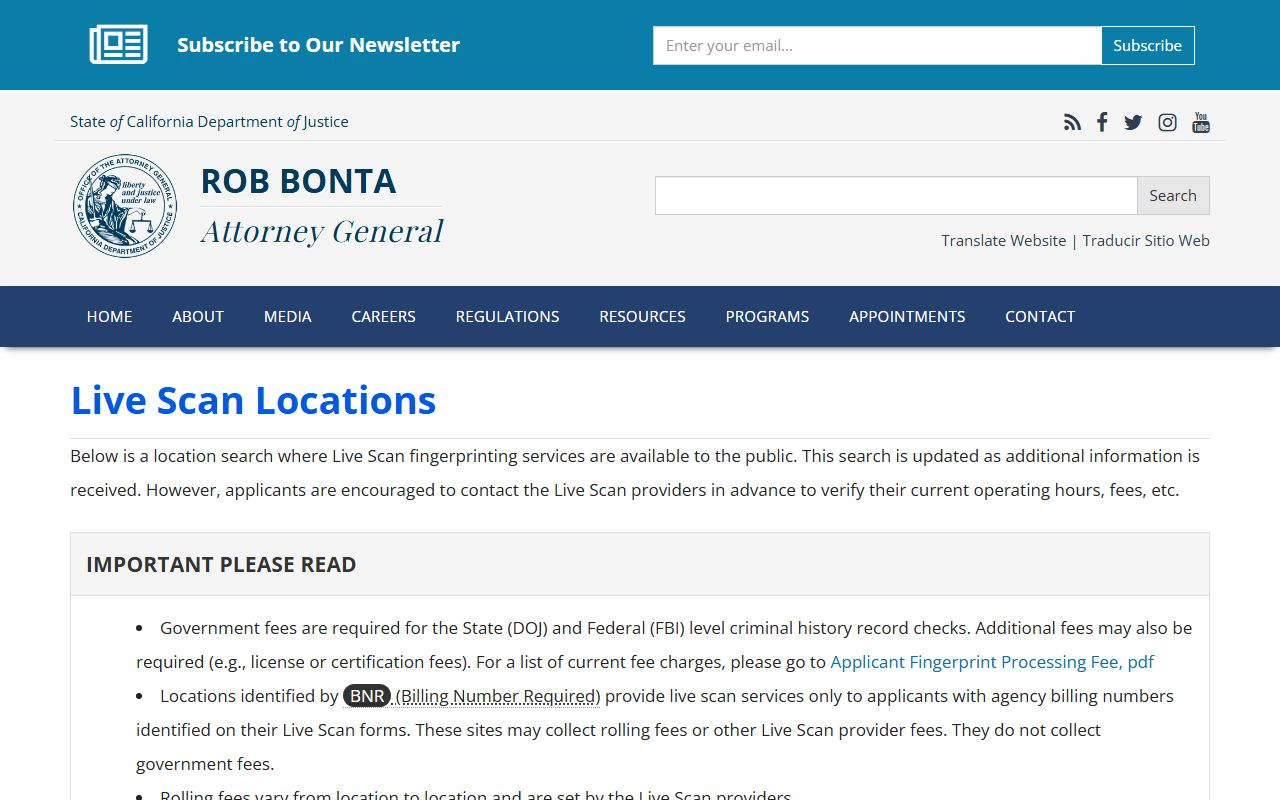
Fees at Live Scan sites have two parts. First is the rolling fee. This goes to the operator who takes your prints. Rolling fees range from $5 to $45 across California. The second part is government fees. The state DOJ fee is $32. If you need an FBI check too, add $17 more. You pay all fees at the time of your visit. Most sites take cash. Some take cards or checks. Ask when you call.
Note: Some Live Scan sites only serve people with a billing number from an agency on their form.
Request Your Own California Criminal Record
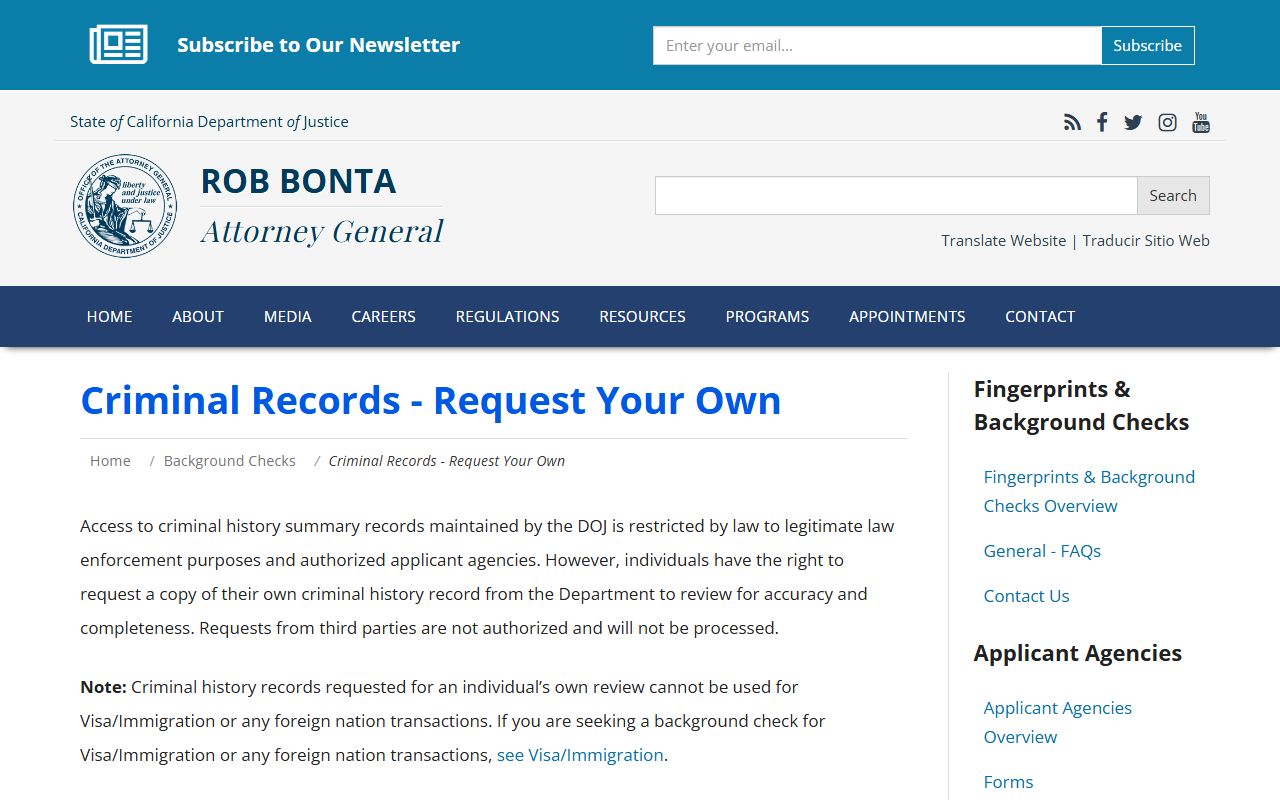
Anyone can ask for a copy of their own criminal record in California. The DOJ calls this a Record Review. You have the right to see what is in your file. This helps you check for errors. It also lets you know what might show up if someone runs a check on you. The fee is $25 to get your own record from the DOJ.
To start a Record Review, you need to fill out a form and get fingerprinted. California residents must use Live Scan for this. Go to the DOJ Record Review page and download form BCIA 8016RR. Fill it out and take it to any Live Scan site. Mark "Record Review" as the type of application on the form. The operator will scan your prints and send them to the DOJ. You should get results in 2 to 3 days for most cases.
People who live outside California can still request their record. They must use ink cards instead of Live Scan. Mail the cards with your form and payment to the DOJ in Sacramento. The address is on the form. Processing takes longer for mail requests.
California Background Check Forms
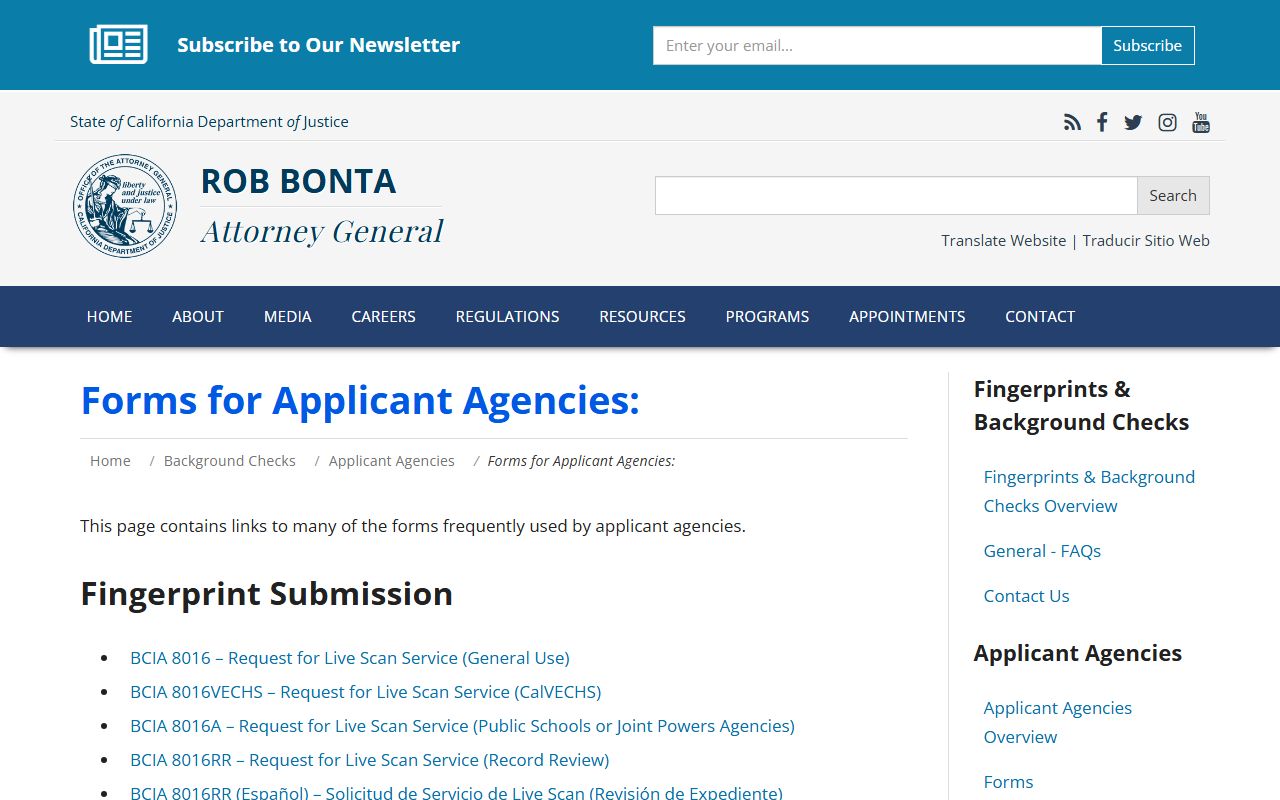
The DOJ has several forms for different types of background check requests. The main form is BCIA 8016. This is the Request for Live Scan Service form. Most people use this one. You get it from the agency that needs your background check. They fill in part of it. You complete the rest with your personal info.
Other forms handle special cases. Form BCIA 8016RR is for Record Review requests. Form BCIA 8016 VISA is for visa and immigration purposes. Form BCIA 8705 lets you request a copy of your state criminal history by mail. Form BCIA 8706 is for challenging errors in your record. You can find all these forms at the DOJ forms directory. Download what you need and print it out.
Fill out forms carefully. Wrong info causes delays. Make sure names and dates are right. Double check the agency codes if your form has them. The Live Scan operator will also verify your info before sending.
Check Your Background Check Status
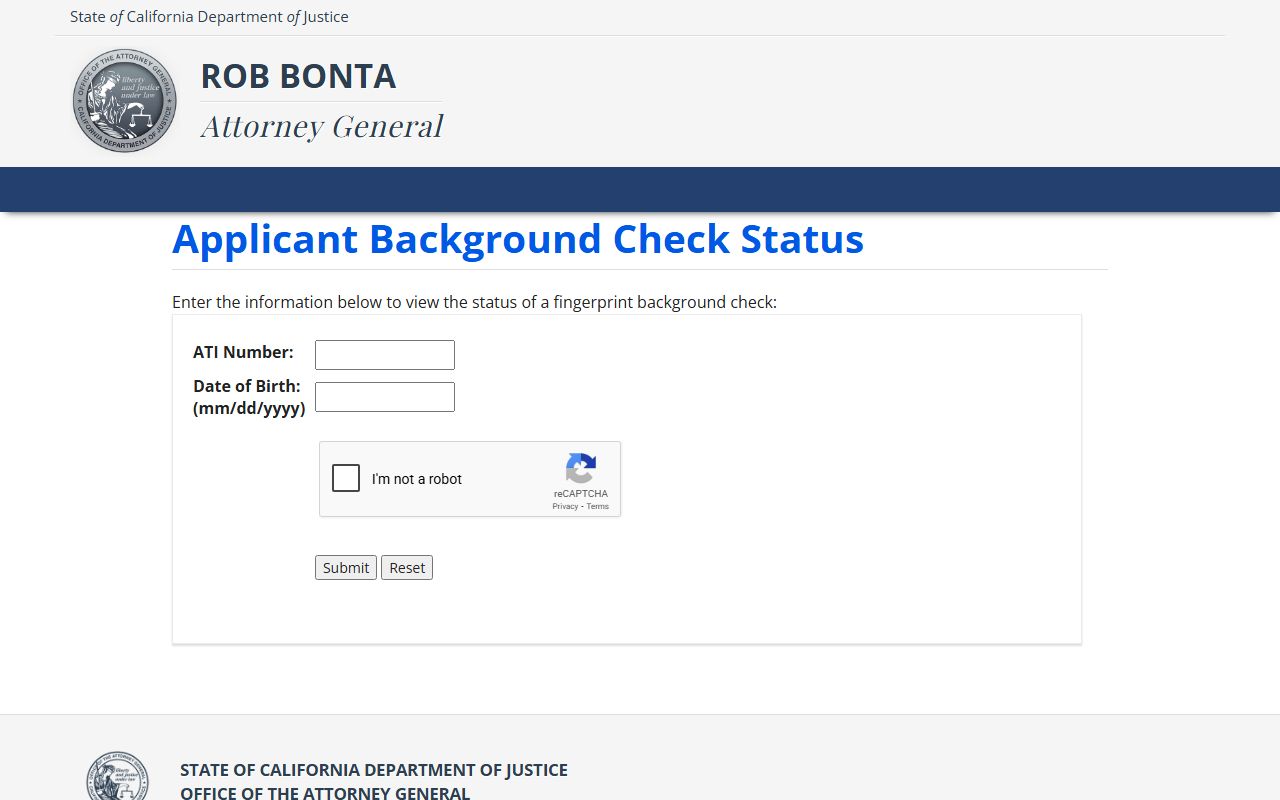
After you submit fingerprints, you can track your request online. The DOJ has a status portal for this. You need your ATI number to check. ATI stands for Applicant Transaction Identifier. The Live Scan operator gives you this number when they finish scanning your prints. Keep this number safe.
Go to applicantstatus.doj.ca.gov to check your status. Enter your ATI number and other details. The system shows where your request is in the process. Most checks take 2 to 3 business days. Some take up to two weeks if there are records to review.
If you have questions about a pending request, the DOJ has several contact options. The DOJ contact page lists email addresses and phone numbers for different units. The Customer Support Center number is (916) 210-2300. They can help with general questions about your background check in California.
California County Court Records
County courts in California also have criminal case records. These are different from DOJ records. Court records show case details like charges filed, hearing dates, and final outcomes. Each of the 58 counties in California has its own Superior Court. The clerk at each court keeps case files.
Many counties now have online portals where you can search court cases. You can look up cases by name or case number. Some portals are free to search. Others charge a small fee. The level of detail varies by county. Large counties like Los Angeles and San Diego have robust online systems. Smaller rural counties may have limited online access. You can always go to the courthouse in person to search records there. Court clerks can help you find what you need.
Court records are generally public in California. Anyone can request to see them. Some records get sealed by court order. Juvenile cases are not public. But most adult criminal cases are open for anyone to view. You do not need to give a reason to look at public court records in California.
Note: Court records show case info while DOJ records show arrest and conviction history tied to fingerprints.
California Background Check Fees
Several fees apply when you get a background check in California. The amounts depend on what type of check you need and where you go. Here is a breakdown of common fees across the state.
State DOJ fees are set by law. A standard state criminal history check costs $32. An FBI federal check costs $17 more. A Record Review of your own file costs $25. These fees go to the government. You pay them at the Live Scan site when you get printed. Rolling fees paid to the operator are separate. Those range from about $5 in some small counties to over $40 at some private locations. Sacramento County charges $42. Contra Costa charges $35. Smaller counties like Lassen charge just $5.
Court record fees vary too. Most courts charge $15 per name for a record search. Certified copies of documents cost $40 in most California courts. Regular copies cost $0.50 per page at many clerk offices. Some courts have moved away from per-search fees. Sacramento Superior Court dropped fees for online searches.
Cleaning Your Criminal Record in California
California has laws that let people clean up their criminal records in some cases. This is not true expungement. The record does not go away completely. But you can get relief that limits what shows on background checks. The rules depend on your situation and the type of conviction.
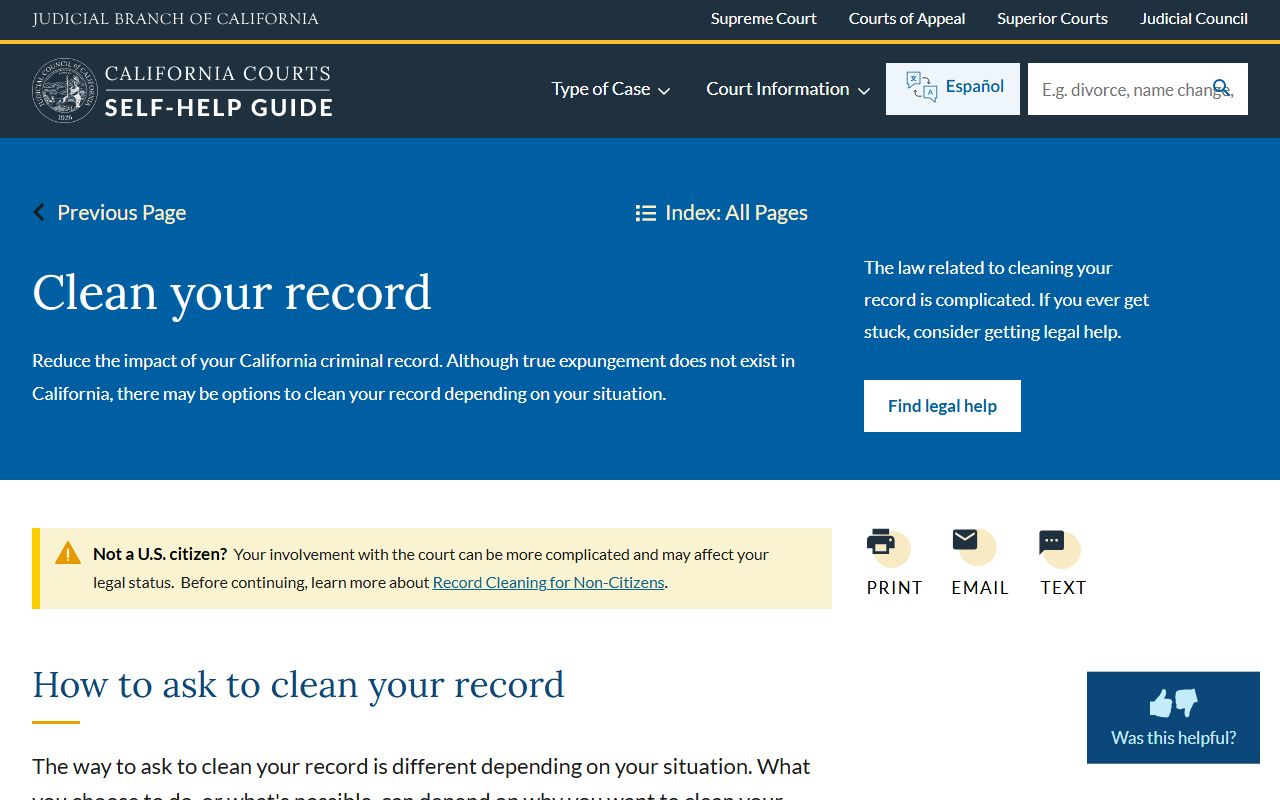
The California Courts self-help site explains your options. Visit selfhelp.courts.ca.gov/clean-your-record to learn more. You may be able to get a conviction dismissed under Penal Code 1203.4. This applies to people who finished probation. You may also be able to seal an arrest record if you were never convicted.
Recent laws also created automatic relief. Under Penal Code 1203.425, some convictions get dismissed without you filing anything. The DOJ handles this on their own for eligible cases. Arrest records may also get sealed automatically under Penal Code 851.93 if no conviction resulted.
California Background Check Laws
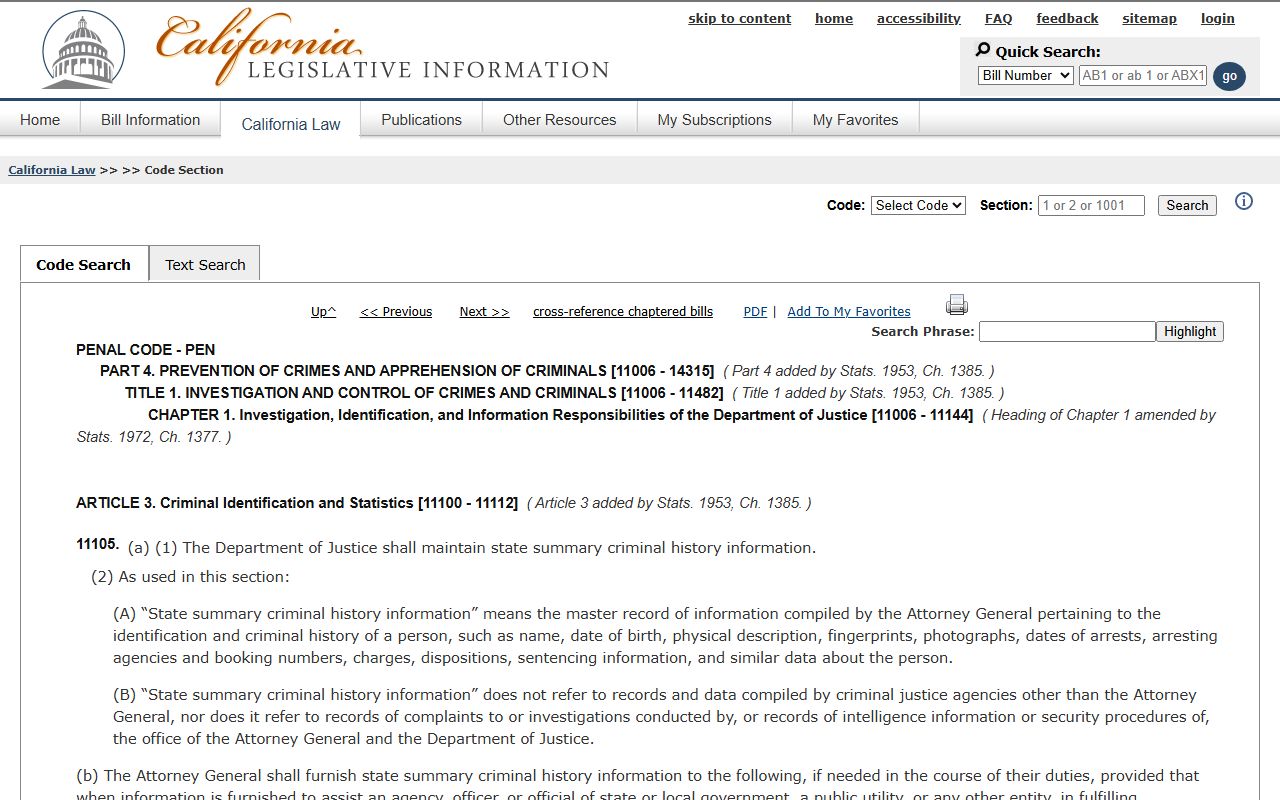
State law controls who can see criminal records and how. Penal Code Section 11105 is the main law about state summary criminal history. It says the DOJ must keep the statewide criminal record repository. It also lists who can access those records. Law enforcement always has access. Certain state agencies can request records for licensing. Individuals can get their own records.
Penal Code 13300 covers local criminal history. This is about records kept by local agencies like sheriff departments. Local agencies can share arrest and conviction info with other law enforcement. They follow rules similar to DOJ records.
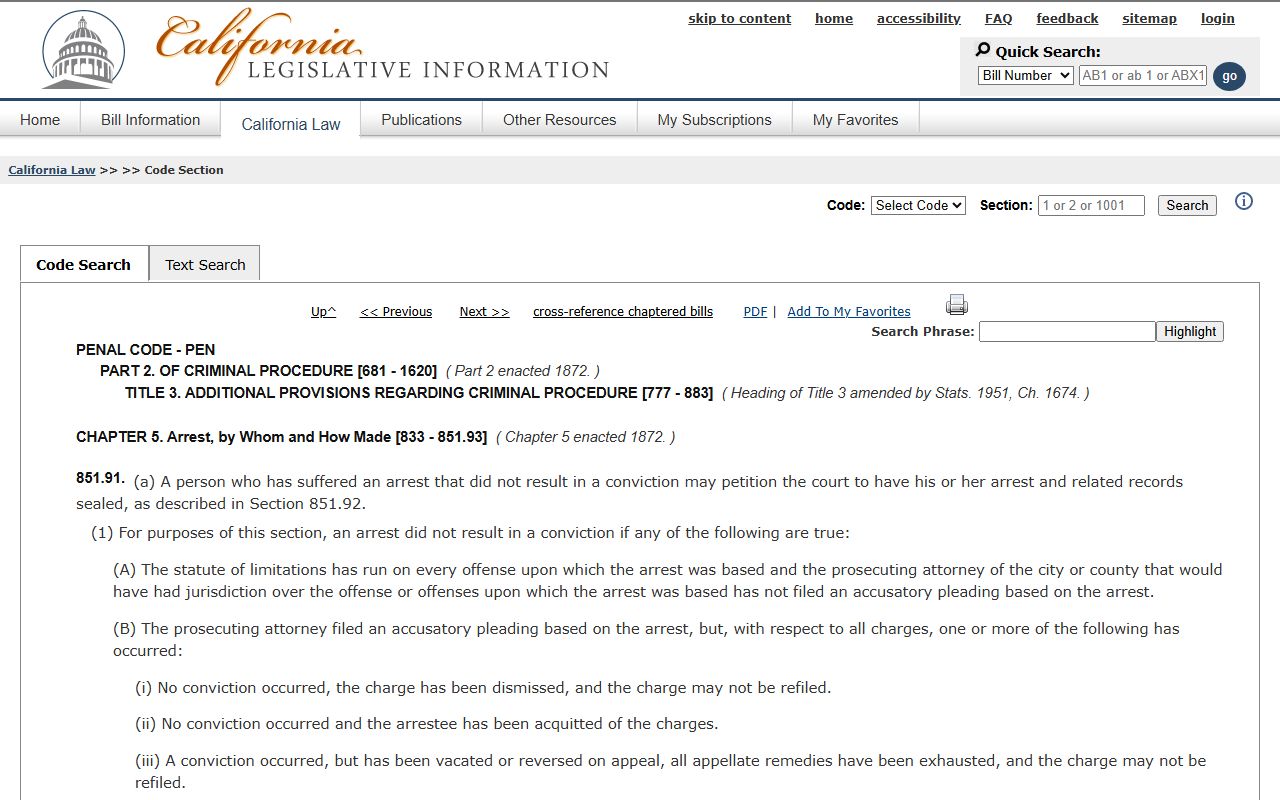
Penal Code 851.91 lets you petition to seal arrest records. This applies when an arrest did not lead to conviction. You can ask the court to seal those records. Once sealed, the arrest will not show on most background checks. The DOJ FAQ page has more details about how sealed records work.
Background Check Processing Times
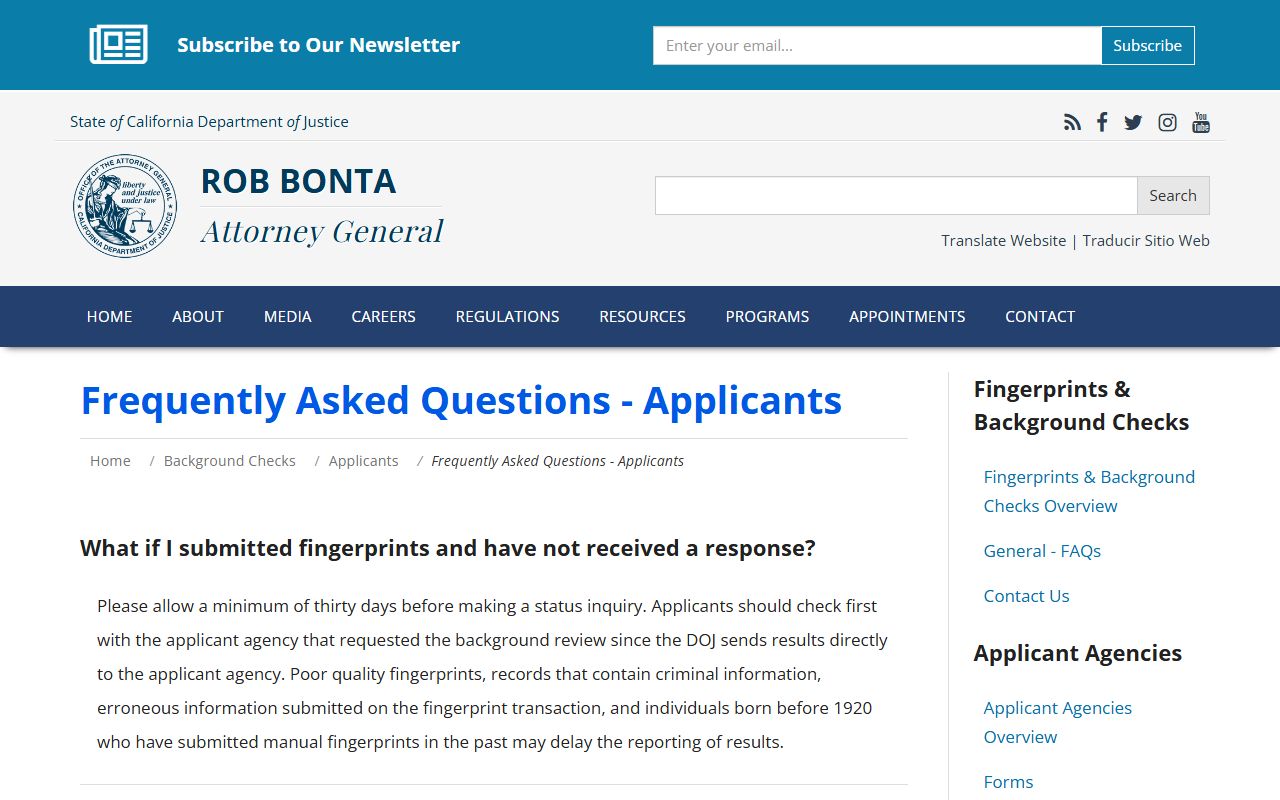
How long does a California background check take? It depends on the type of check and whether records exist. Most Live Scan checks finish in 48 to 72 hours. This is when no matching records are found in the DOJ system. The check processes automatically with no human review needed.
When your fingerprints match someone in the database, things slow down. A DOJ technician must pull the RAP sheet and review it by hand. This manual process can take days or weeks. The exact time varies based on workload and complexity of the record. About 80 percent of checks still finish within three business days total.
Record Review requests for your own file take 2 to 3 days in most cases. Some take up to 2 weeks if your record has a lot of entries. The DOJ does not offer rush service. You cannot pay extra to speed things up. Plan ahead if you need results by a certain date.
Browse California Background Check Records by County
Each county in California has sheriff and court offices that handle local records. Pick a county below to find local resources for background checks in that area.
Background Check Records in Major California Cities
Many cities in California have their own police departments that offer Live Scan services. Pick a city below to learn about background check resources in that area.